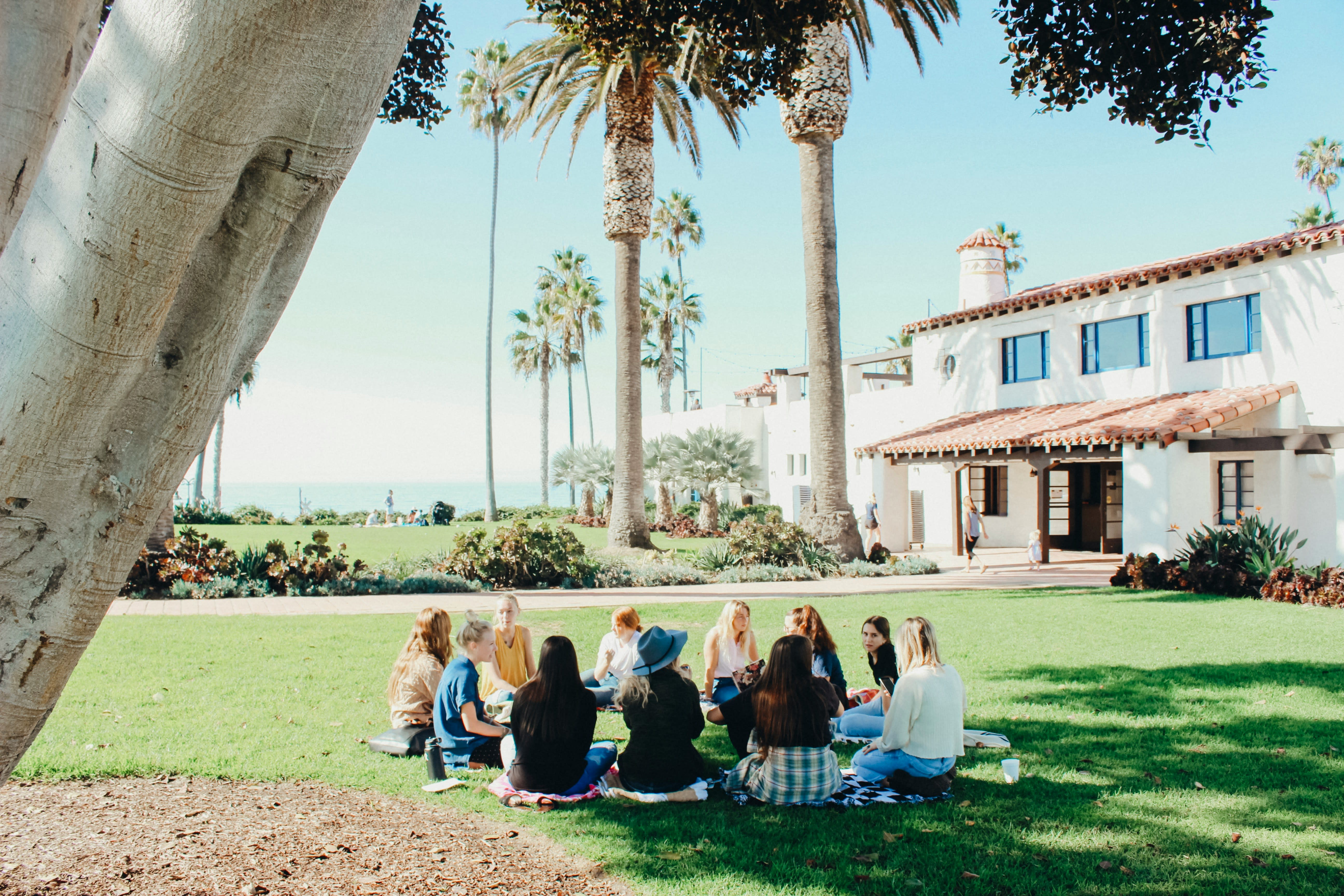
Over the past few years, something has quietly changed in the way people spend time together.
Across the UK, many people are moving away from loud nightlife, endless scrolling online, and superficial social interaction. Instead, they are searching for something more real — friendship, conversation, shared experiences, and communities where they can simply connect without pressure.
That is one reason community clubs are growing so quickly right now.
Not traditional clubs built around exclusivity or parties, but modern social communities created around simple activities:
walks in the park, coffee mornings, wellness meetups, hobby groups, picnic gatherings, music evenings, film nights, creative workshops, book discussions, and casual local events where people can spend time together naturally.
For many adults, especially remote workers, university students, parents, retirees, or people struggling with loneliness, these gatherings are becoming an important part of life again.
Increasingly, they are also becoming financially sustainable businesses.
A Different Kind of Social Life for the Socially Awkward
Modern social life has become more online than ever before.
People spend hours scrolling social media, watching content, consuming podcasts, reading online discussions, or following the lives of others through screens. Yet many still feel disconnected in reality.
Research across the UK continues showing rising loneliness and social isolation, especially among adults trying to build friendships after school, university, or moving to a new city.
Because loneliness is personal, some people feel it even when surrounded by others, and chronic loneliness can persist for a long time regardless of how social life looks from the outside. Many people openly admit they feel socially awkward meeting others for the first time. Others simply struggle to find places where interaction feels natural instead of forced.
That is why community-based events are becoming so valuable. Building a strong community takes shared purpose, consistent engagement, and psychological safety, while shared values help people feel they belong and give the group the glue to last.
People are increasingly looking for:
- familiar faces
- recurring routines
- local groups
- supportive environments that create trust and room for honest conversation
- shared hobbies
- genuine conversation
- a stronger sense of belonging
Unlike traditional networking events, community clubs are usually built around low-pressure activities where people can interact more comfortably.
Sometimes the event itself is very simple: a Saturday coffee walk, a picnic in the park, a weekly movie discussion, a wellness walk after work, or small things like a creative session with music and conversation.
Often, the activity matters less than the feeling people leave with afterward.
Why Community Clubs Work for All Ages
One reason community clubs are developing so quickly is because they work across many age groups and lifestyles, and shared interest often matters more than demographic similarity when people are trying to form connections.
Some organizers focus on young professionals looking to make new friends after work. Others create social spaces for elderly people who may live alone or want more routine and interaction during the week.
Many communities now organize separate events depending on:
- age groups
- interests
- hobbies
- activity levels
- lifestyles
For example, organizers may create:
- social walking clubs for retirees
- women-only wellness groups
- film or movie nights for university students
- hobby clubs focused on books, music, or creativity
- picnic gatherings for parents and children
- local meetups for newcomers to a city
This helps members feel more comfortable, supported, and connected with people at a similar stage of life.
A well-known TV example is Community, inspired by Dan Harmon's experiences of building friendships with people he had little in common with, which reflects how social bonds can form across differences. The film Friendship is another example of how movies explore relationship dynamics, loyalty, and emotional immaturity.
For elderly people especially, these gatherings can become extremely meaningful. A weekly community event may provide:
- routine
- movement
- emotional support
- conversation
- encouragement
- friendship
- a reason to leave the house
These small social rituals often become much more important than organizers initially expect.
Community Is Becoming a Real Business Opportunity
One reason this trend is growing so quickly is because community-based businesses are becoming financially sustainable.
People are increasingly willing to pay for:
- meaningful experiences
- organized events
- supportive communities
- wellness activities
- recurring memberships
- hobby-based gatherings
Many community businesses also grow through word of mouth and light networking.
This does not necessarily require expensive venues or large productions.
In fact, many successful community clubs begin with one simple idea: a weekly walk, a coffee meetup, a wellness session, or a casual social gathering in a local park.
Over time, these events often grow into recurring communities with loyal members who return every week because they enjoy the atmosphere, friendships, and feeling of belonging. Networking can feel intimidating at first, but asking the other person a question about themselves can ease the pressure and show genuine interest. Following up afterward also matters because it shows you're motivated, confident, and keen to maintain the connection.
Some organizers eventually introduce:
- low-cost memberships
- seasonal events
- paid workshops
- café partnerships
- guided activities
- wellness sessions
- special community gatherings
Even small event fees can help cover:
- refreshments
- planning time
- guest speakers
- materials
- venue partnerships
- marketing
- activity hosts
Some organizers eventually turn their community clubs into full-time businesses, while others continue running them alongside another job simply because they enjoy bringing people together. Organizers can also develop new opportunities by asking their network for advice in a clear, specific way, starting with something small and realistic, and showing they can help the person in return with useful resources.
Why Offline Events Feel More Meaningful Right Now
Many people are emotionally exhausted by constant online interaction, even though online spaces still have value as a low-pressure way to meet people, especially if in-person settings feel nerve-racking.
Social media often creates:
- comparison
- pressure
- performance
- unrealistic expectations
- stress
- fear of missing out
Community clubs offer something different.
Online networking can still be a useful starting point through social media, LinkedIn, or community forums before people participate in offline events.
They create opportunities for:
- real conversations
- eye contact
- shared experiences
- spontaneous interaction
- support
- friendship
- genuine connection
There is also something refreshing about moving from online contact into activities without feeling pressure to constantly document everything in person.
Sometimes people simply want to:
- walk
- talk
- play games
- listen to music
- watch films
- explore hobbies
- meet new people
- spend time outdoors
without feeling like they are performing for an audience.
That is one reason these communities continue growing so quickly across the UK and beyond.
Starting a Community Club Is Simpler Than Many People Think
One of the most appealing parts of starting a community club is that it usually requires very little investment in the beginning.
You do not need a massive production, complicated equipment, or a large team.
Many successful organizers begin with:
- one weekly event
- one location
- one simple idea
That model is familiar because, since 2002, Meetup has helped members make new friends and connect with locals around shared interests through events happening every day.
For example:
- a Thursday evening social walk
- a weekly picnic meetup
- a local coffee gathering
- a film discussion night
- a hobby club
- a music meetup
- a wellness morning in the park
The key is consistency.
People return when they feel:
- welcomed
- included
- comfortable
- remembered
- supported
- part of a shared purpose and with a reason to join again each week
That is how real community develops over time.
Planning Community Events With Baluu for Members
As communities grow, organization quickly becomes one of the biggest challenges.
At first, many organizers manage everything through:
- Instagram DMs
- WhatsApp groups
- Facebook posts
- spreadsheets
- manual reminders
But over time, this becomes difficult to maintain.
Missed messages, confusion around attendance, forgotten updates, and no-shows can quickly create stress for organizers trying to manage growing groups manually.
That is why many community clubs are starting to use platforms like Baluu to organize events more professionally.
With Baluu, organizers can:
- create recurring community events
- separate events by age groups or interests
- offer free or paid bookings
- limit attendee numbers
- create memberships
- send reminder emails
- share meetup locations
- communicate with members in one place
For example, an organizer could run:
- Monday morning coffee walks for retirees
- Wednesday evening social clubs for young professionals
- weekend picnic gatherings
- monthly wellness meetups
- local hobby clubs
- seasonal community events
all through one organized system.
Reminder emails can also include:
- location details
- parking information
- weather updates
- event guidance
- schedule changes
- what attendees should bring
This creates a smoother experience for both organizers and members.
The Future of Community Is More Human
People are increasingly searching for something more grounded, personal, and real.
Not everyone wants another app, another online course, or another evening spent scrolling through content alone.
Many simply want:
- friendship
- conversation
- routine
- support
- shared experiences
- community
That is why community clubs are becoming one of the most meaningful business opportunities right now.
What may begin as a small gathering in a local park can eventually become:
- a trusted weekly routine
- a supportive social network
- a wellness-focused community
- a financially sustainable business
- an important part of people’s lives
And with platforms like Baluu helping organizers manage bookings, memberships, reminders, communication, and event planning, building these communities has become more accessible than ever.
Written by
Ruta Jogminaite
Expert in booking systems and appointment-based business optimization.
More to explore
Continue Reading
How to Take Bookings for a 6-Week Course or Term of Classes
Learn how to take bookings for a 6-week course or term, from full-course and drop-in options to pro-rata pricing, payments, capacity and customer communication.
How to Get Your Business Found in ChatGPT and AI Search?
Learn how to improve your business’s visibility in ChatGPT and AI search with clear website content, SEO, reviews and accurate business information.
What Information Should I Ask Customers for When They Book Online?
Learn what information to collect during online booking, from customer and attendee details to custom questions, allergies and marketing consent — without making your checkout unnecessarily complicated.