If you've been running the odd sound bath here and there and wondering, "Could this actually become my full-time job?", you're not alone.
It's one of the biggest questions for sound bath practitioners: how many sessions do you actually need to run to turn sound healing into a sustainable business?
The answer depends on three things:
- How many sessions you run
- What you charge
- Whether you build additional revenue streams beyond public sound baths
Let's look at three realistic scenarios so you can see where you currently sit — and what it takes to move to the next level.
Scenario 1: 2 Sessions Per Month — Side Income
This is where most practitioners begin.
You're likely testing the waters, building confidence, and slowly growing an audience while keeping another source of income alongside your sound baths.
Typical numbers
- Ticket price: £18
- Attendees: 15 people
- Venue hire: £60
- Additional costs: £10
- Revenue per session: £270
- Profit per session: approximately £200
- Monthly profit: approximately £400
At this stage, sound baths provide useful extra income without creating significant pressure or stress.
Your focus should be:
- Building local awareness
- Encouraging repeat attendees
- Collecting testimonials
- Finding out which venues and times work best
The challenge here isn't burnout.
It's consistency.
Filling two sessions every month is often harder than running them.
Scenario 2: 8 Sessions Per Month — Part-Time Business
This is where things start becoming serious.
You may be running weekly public sessions alongside private bookings, workshops, or collaborations with local studios.
Typical numbers
- Ticket price: £22
- Attendees: 18 people
- Venue hire: £70
- Additional costs: £15
- Revenue per session: £396
- Profit per session: approximately £310
- Monthly profit: approximately £2,480
For many practitioners, this is the sweet spot.
You're earning meaningful income while still maintaining flexibility.
However, this is also where new challenges appear:
- Keeping track of bookings
- Following up unpaid attendees
- Managing cancellations
- Sending reminders
- Handling waiting lists
- Updating attendee information
The admin starts growing almost as quickly as the business itself.
Many practitioners discover that they spend nearly as much time organising sessions as delivering them.
Scenario 3: 12–15 Sessions Per Month — Full-Time Business
At this stage, sound healing is your primary income source.
You're likely combining:
- Public sound baths
- Private sessions
- Workshops
- Corporate wellbeing events
- Retreats
Typical numbers
- Average ticket value: £25
- Average attendees: 20 people
- Venue and operational costs: £100
- Revenue per session: £500
- Profit per session: approximately £400
- Monthly profit at 13 sessions: approximately £5,200
This is a sustainable full-time income for many wellness practitioners.
But there is a limit.
Running 15 sessions every month means:
- Transporting equipment regularly
- Multiple venue setups each week
- Maintaining your own energy levels
- Managing customer communication
- Handling increasing administrative work
Eventually, simply adding more sessions stops being the answer.
How to Increase Revenue Without Increasing Sessions
Increase prices gradually
Many practitioners undercharge.
If sessions regularly sell out, that often signals room to increase prices rather than add more dates.
Even a £3 increase per ticket can make a significant difference over a year.
Introduce workshops
Half-day workshops or beginner sessions often generate considerably more revenue per hour than standard sound baths.
Explore corporate wellbeing events
Corporate wellness budgets continue to grow, and private company sessions can often generate the equivalent revenue of several public events.
Create memberships or packages
Session bundles and memberships create predictable recurring income and encourage repeat attendance.
Consider retreats
Retreats require more planning but can generate substantially more revenue than individual sessions while strengthening your community.
Where Do You Sit?
If you're running 2 sessions per month, your priority is proving demand and building an audience.
If you're running around 8 sessions per month, you're running a genuine business and probably beginning to feel the weight of administration.
If you're running 12–15 sessions per month, your biggest challenge is usually building systems that allow you to grow without burning out.
The practitioners who successfully make the jump to full-time rarely do it simply by working more hours.
They improve pricing, diversify income streams, and put systems in place that reduce unnecessary admin.
Many start with spreadsheets, bank transfers, and direct messages, which works perfectly well in the early stages.
As the business grows, however, bookings, payments, availability, reminders, customer communication, and waiting lists become increasingly difficult to manage manually.
That's often the point where platforms such as Baluu become useful.
You can start using it for free with no contracts or long-term commitments, making it easy to test whether having bookings, payments, customer communication, and availability management in one place saves time as your business grows.
If you're spending more time managing sessions than delivering them, it may be worth trying.
Written by
Ruta Jogminaite
Expert in booking systems and appointment-based business optimization.
More to explore
Continue Reading
How to Get Your Business Found in ChatGPT and AI Search?
Learn how to improve your business’s visibility in ChatGPT and AI search with clear website content, SEO, reviews and accurate business information.
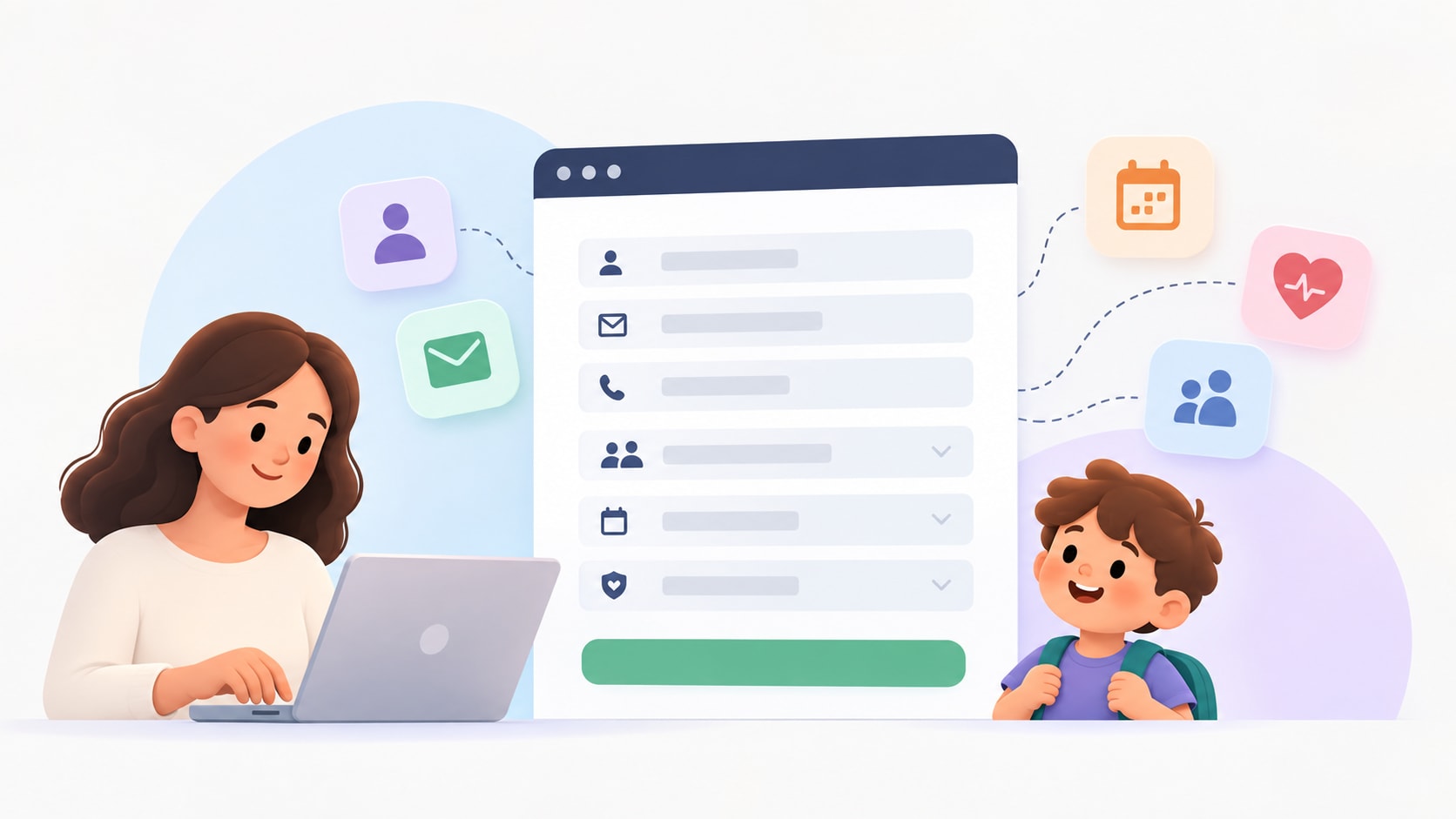
What Information Should I Ask Customers for When They Book Online?
Learn what information to collect during online booking, from customer and attendee details to custom questions, allergies and marketing consent — without making your checkout unnecessarily complicated.

How Can I Reduce Booking Calls and Messages Without Hiring More Staff?
Learn how to reduce booking calls, messages and front-desk admin using online self-service, automation and AI booking assistants like Baluu’s Junno — without losing the personal touch.